

Richard Hodges: The Real Heroes of the Trails: Behind the Scenes of Cross-Country Ski Trail Grooming
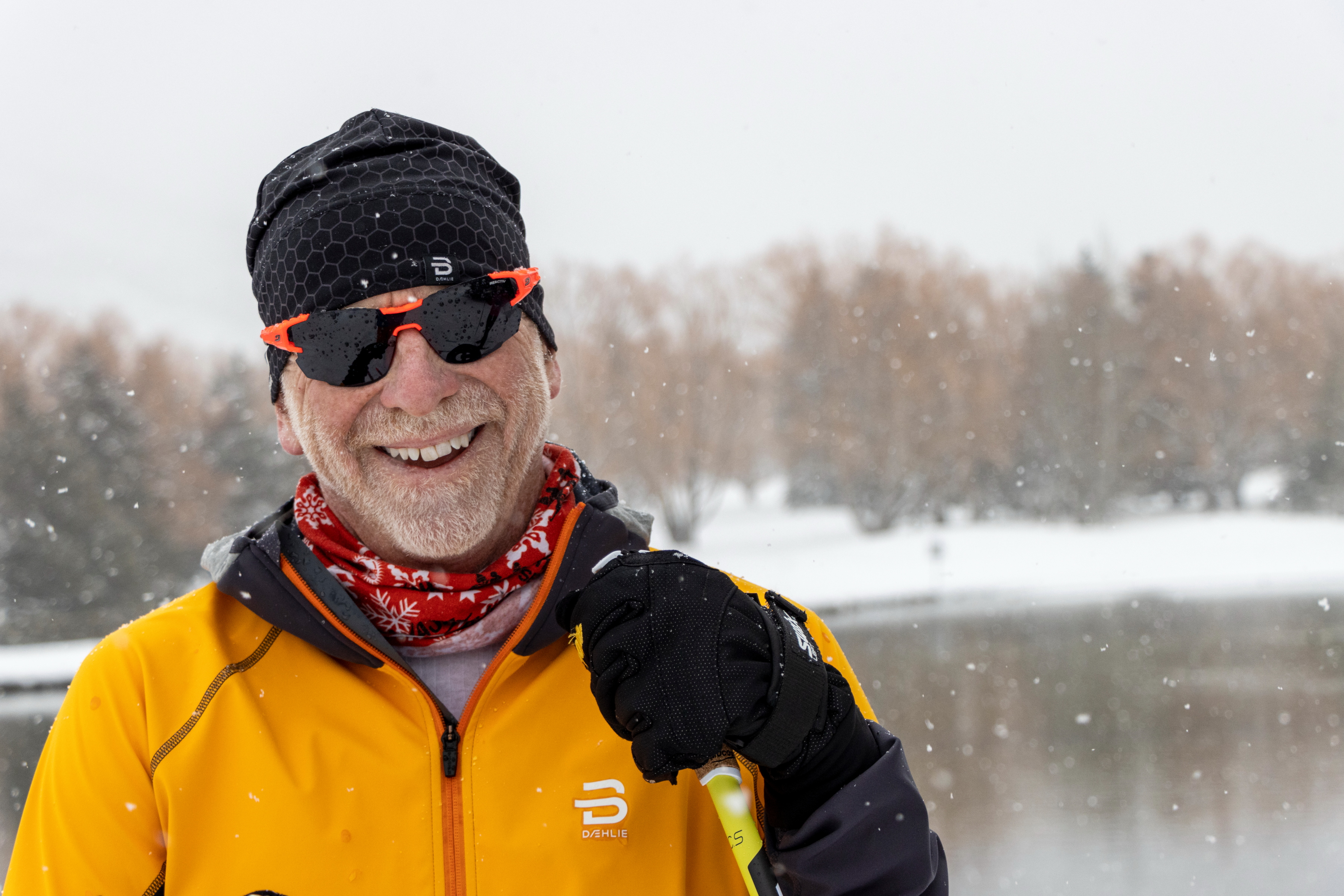
AMBASSADÖRK Richard Hodges of White Pine Touring in Park City Utah shares his background in cross-country ski trail operations and brings to light the kind humans and skilled operators who lay out the white carpets.
With that, let's get to it.

ambassadörks
Richard: No, They're Not Magical Elves
Picture this: You arrive at your favorite cross-country ski trail early in the morning. The sun is just starting to peek through the trees, the snow sparkles, and before you stretches a perfectly manicured corduroy skate lane with classic tracks so pristine you hesitate to even put your skis down. It’s a winter wonderland, so magical that it almost seems… well, magically made. And if you’ve ever wondered if it’s tiny elves with golden rakes and twinkling hats who shape those perfect trails while you’re asleep—well, let’s clear that up right now.
The Myth of the Midnight Trail Elves
Sure, it’s fun to imagine a crew of whimsical elves zipping around under the moonlight, quietly raking, shoveling, and singing “Let It Snow” in quiet voices. But as much as cross-country skiers might wish for a sprinkle of fairy dust on their morning adventures, the reality is far less sparkly, but way more impressive.
The real magic-makers are people—women and men who are dedicated volunteers and paid workers—who brave the cold, the darkness, and the occasional malfunctioning snowcat, all for the love of perfectly groomed trails. And trust us, their hats are practical, not pointy.

The Groomers: Unsung (and Often Unseen) Heroes
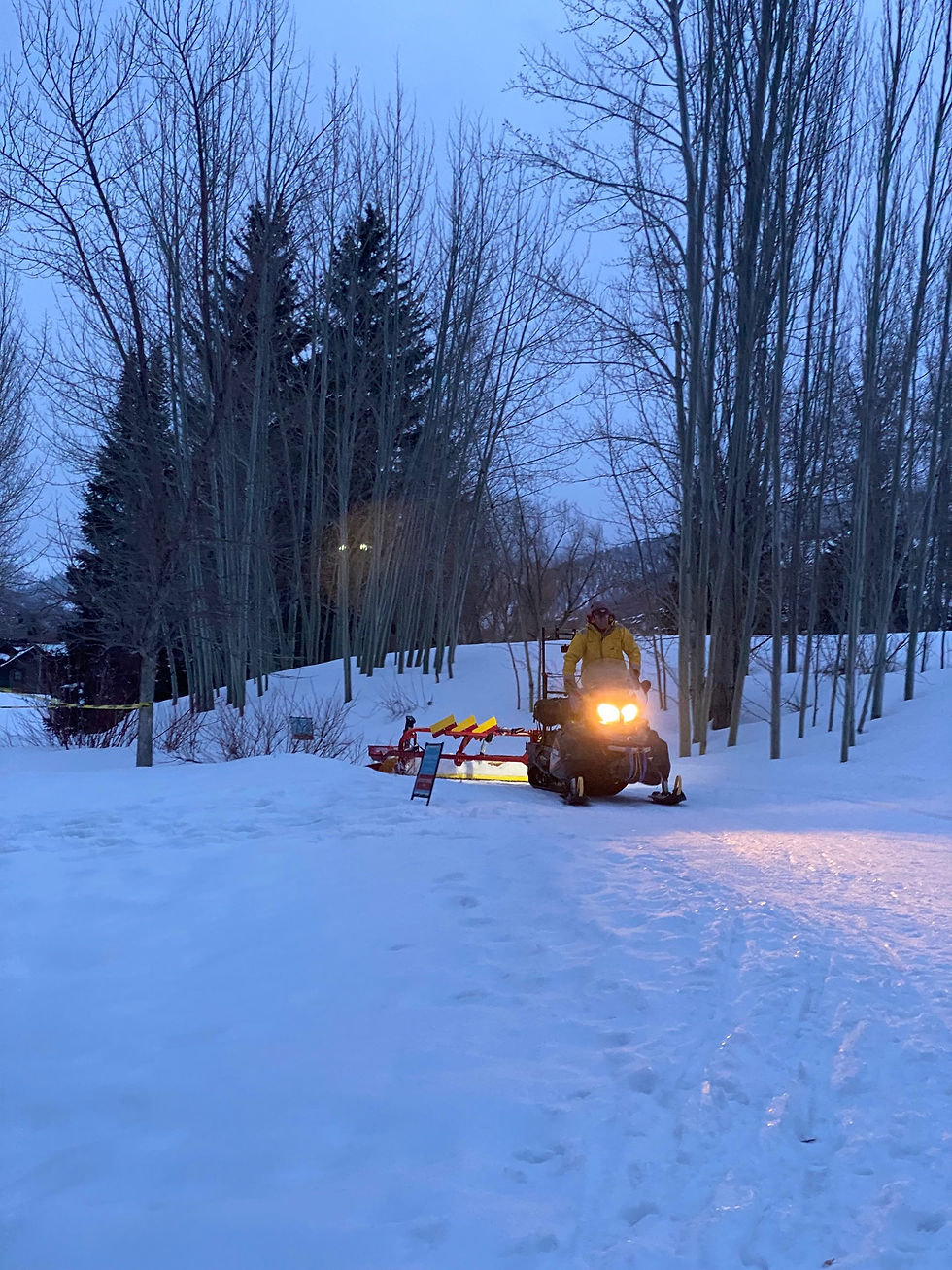
Every Zen garden groove and classic track you glide over is the result of hours of planning, muscle, and caffeine-fueled grit. The grooming process can begin long before sunrise—or even late at night if the weather demands it. Groomers operate heavy machinery like snowcats and snowmobiles, towing implements that comb, shape and press the snow, creating that signature corduroy effect for skating and those deep grooves for classic skiing.
Here’s a fun fact: not all of those grooming machines come with heated seats and Bluetooth speakers. Groomers endure sub-zero temperatures, howling winds, wildlife encounters and the occasional run-in with a stubborn snowdrift, all while making careful decisions about how to best work with the conditions of the day. It’s a science, an art, and occasionally a test of patience when the snowcat decides it needs a nap—right in the middle of the trail.
Volunteers: Not All Heroes Wear Capes
And let’s not forget the volunteers. While some trails are maintained by paid staff, many are kept in tip-top shape by skiers and outdoor lovers who give up their time (and sleep) for the good of the community. They operate the same heavy equipment in the same conditions for the love of skiing and the satisfaction of seeing their hard work softly lay out behind them. They’re armed with shovels, rakes, and headlamps, not magic wands. You might spot them out before dawn or just after a big snowstorm, working tirelessly so the rest of us can enjoy our daily dose of winter joy.
Why It Matters
Recognizing the hard work of these humans (not elves!) matters for two big reasons. First, it makes that perfect glide even sweeter when you know someone was out there in the biting cold, making it possible. Second, grooming operations rely on community and financial support—whether that’s through trail passes, donations, membership fees, or a simple “thank you” to the crew. So next time you see a groomer covered in frost, give them a smile or a wave, and maybe even buy them a coffee. They’ve more than earned it.
Your local trails don’t come for free, even if the price to ski them is low cost or even “free.” Your support as a skier and part of the ski community is to be grateful for the hard work and make sure that your appreciation gets shared.

Keep the Magic, Thank the Makers
So, while we can all enjoy a little winter whimsy, let’s leave the elves to the fairy tales and celebrate the real-life folks who turn nature’s chaos into a skier’s paradise. The next time you click into your skis and marvel at those perfect trails, remember: It wasn’t magic. It was sweat, diesel, frozen fingers, and a whole lot of love for the sport.
But hey—if you do happen to spot a tiny hat or hear a faint jingling in the woods… keep the legend alive. Just make sure to thank the humans, too.
Richard Hodges is an AMBASSADÖRK in Park City Utah. His inspiration is to "get out and play" and tries to remind everyone that all we are doing is sending people outside to play in the snow. There is room for everyone in wintersport. Richard has been involved in nearly every aspect of xc skiing including public and private operations, environmental stewardship, coaching, retail and running xc ski areas. The reward is helping someone learn and return. You can find him on the grid as @10weekwinter while snacking on Peanut M&Ms.
the closer What We're Thinking About.
That NO Nordic center or cross-country ski area would even EXIST without groomers. They are truly the unsung heroes of our sport.


Comments